Commercial helical pile installment has relocated coming from a niche procedure to a first-choice foundation alternative for a lot of new frames. Professionals utilize helical piles to bring column loads on combined soils, to bypass weak upper strata, to pin maintaining walls, and also to always keep routines going on strict internet sites where concrete trucks and big drilling rigs can't run effectively. When organized and also performed effectively, helical piles supply predictable capability, prompt setup, as well as low spoil. When dealt with poorly, they develop load transfer troubles that turn up eventually as settlement deal, wrenching, and also fractured coatings. The difference resides in concept control, devices collection, quality assurance, and area judgment.
This overview goes through the whole entire process the means it occurs on a genuine task: coming from very early geotech control to twist connection, from tieback anchors for bandaged diggings to load testing and also turn over. It likewise reviews helical piles to micropiles as well as protection heaps, since the most intelligent staffs pick the correct deep base, certainly not the cool and trendy one.
Where Helical Piles Match Commercial New Construction
Helical heaps belong in the discussion whenever you need to have deep foundation ability along with restricted get access to, inadequate near-surface grounds, ecological sensitivity, or even a squeezed schedule. They are actually steel shafts with helical plates that oppress right into dirt till they arrive at design torque as well as embedment. Adequately created as well as put in, helical piles supply squeezing and strain capability without resonance, grout batching, or cure opportunity.
On brand new shapes, you are going to observe helical piles under steel pillars, precast doors, light industrial slabs with rack tons, mechanical pads, and enhancements. They also match well along with level light beams as well as architectural slabs. For maintaining properties, helical tieback anchors create instant ability in strain, which is perfect for diggings and long-term wall structures. In large clays or even organics, helical piles bypass the challenging grounds and seat capacity in seasoned levels below.
They are not a cure‑all. If your grounds are dense gravels along with cobbles, or even if your layout depends on end bearing in bedrock along with strict rejection, helical piles may have a hard time to breakthrough or to create reliable helix-soil get in touch with. In those instances, micropiles with pierced, grouted encouragement typically create even more sense. If you need to have big individual abilities above the efficient variety of helical shafts, consider commercial resistance pile installation or micropile installation as an alternative, or team helicals with a hat and check serviceability.
Design Inputs That Issue Much More Than Specification Sheets
The absolute best commercial helical pile installation starts just before any individual sets in motion. Geotechnical exploration overviews helix dimension option, lead setup, and also intended depths. A normal deal includes multiple borings to 25 to 60 feets, lab testing for toughness as well as index homes, and also groundwater monitorings. For a warehouse on silty clay-based over thick sand, for instance, our team may target a coil stack that can bite right into the sand layer at 28 to 35 feet, with 2 or even 3 coils spaced 3 sizes apart to minimize interaction.
Structural necessities follow. Column bunches, uplift from wind or canopies, side load coming from keeping wall structures and frames, seismic needs, and use limitations determine bum rap dimension and style. For a 100 kip service compression load with 25 kip uplift, a 2.875 inch bar along with a 10‑12‑14 inch helix stack may be appropriate, yet only if the torque correlation and dirt profile page validate it. If uplift dominates, helical tieback anchors may carry sidewise bandaging, always keeping groundwork heaps paid attention to squeezing and decreasing bending over requirements at the pile hat interface.
Coordination along with various other systems pays dividends. If the project also uses micropiles or resistance piles in particular zones, blend heap limits, embed plates, as well as screening. Changing equipment in between units may induce store pulling traffic jams as well as lead time issues. On commercial websites, corrosivity testing educates galvanization or even epoxy coatings, as well as in waterfront regions, cathodic defense might be required. Concept for corrosion up front rather than reviewing it after procurement.
Comparing Possibilities: Helicals, Micropiles, and also Resistance Piles
Helical piles, micropiles, and resistance heaps each have strengths. Choose based on dirts, accessibility, capability, and schedule.
- Helical piles: Robotically installed, quick capacity, very little spoils, quiet, best for stress as well as medium squeezing, sensitive to obstacles and really dense crushed rocks. Capabilities frequently vary coming from 30 to 150 kips per heap for normal office bars, higher along with bigger sizes as well as multiples. Great for commercial foundation stabilization and brand-new construct deep foundation repair risk avoidance. Micropiles: Drilled and grouted steel reinforcement, superb in impediments and also stone, high capabilities per element, carry out properly in seismic and also sidewise lots move with covering. Required grout, QA on grout take, and remedy opportunity. Micropiles beam in combined fill with clutter, historic cores, or where you require to outlet right into rock. Resistance stacks (press heaps): Hoisted versus a structure or strong reaction, usually used in structural foundation repair and also commercial foundation repair. For brand new bodies without a reaction framework, they are much less useful, though some jobs use engineered reaction frames. Extra popular in reinforcement than ground-up.
If the internet site possesses cobbles, aged structures, or slag filler, expect micropiles to win. If you require thousands of piles set up rapidly with light devices and also little clutter, helical piles often lead. For heavily rich primaries where each aspect need to carry 200 kips or even more, micropiles or even pierced shafts might be actually more cost-effective per kip.
The Composition of a Helical Pile System
A helical pile is much more than a ray. It is a body of parts, installment resources, and screening methods.
The shaft: Sphere or even square. Sphere shafts like 2.375 or even 2.875 inches stand up to bending as well as buckling much better, valuable for lateral requirements or even when the stack travels through soft top dirts. Square shafts like 1.5 or even 1.75 ins are effective in pressure as well as compression when side bunches are actually very little and the dirt provides confinement.
Helix plates: One to 3 plates on the top section, sometimes much more for longer leads. Spacing observes 3 times the coil size to lessen communication. Plate dimensions generally vary from 8 to 16 ins on commercial projects. Assembly top quality matters, as unsatisfactory welds or warped plates warp ground flow and also lessen capacity.
Couplings and extensions: Scampered or even pinned couplers maintain twist constancy. Inconsistent coupler alignment improves wobble as well as coil eccentricity, which suggests unreliable torque readings. Maintain the stack straight.
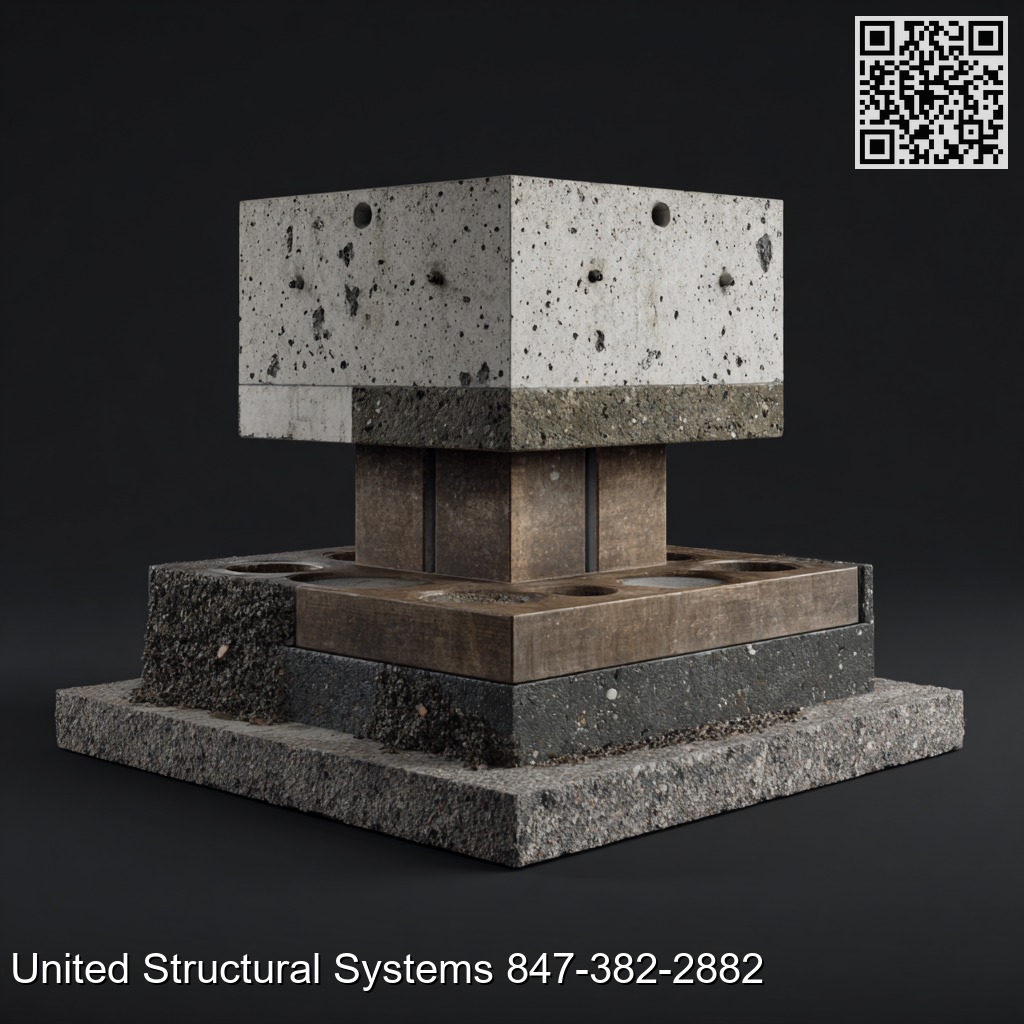
Terminations: New develops typically utilize new building and construction caps along with rebar dowel pins, layers with anchor screw designs, or ray of light chairs. For tight slabs, threaded rod adapters enable altitude changes. For prepared diggings, helical tieback anchor heads consist of turnbuckles or even threaded bars to secure off tension.
Torque indications: Calibrated torque monitors, either digital inline or even gas along with gradation charts. Tape torque every feet of innovation to correlate ability. Without a twist log, you are actually flying blind.
How Twist Connects to Capacity
The market utilizes an empirical connection in between installation twist and also central capability. The rough rule of thumb typically presented is actually a multiplier, including 8 to 10 opportunities the installation twist in foot‑pounds split due to the shaft dimension in inches, but experienced installers treat torque as a proof tool, not the only style basis.
Helix geometry, soil style, strain price, as well as disruption transform the connection. In sand, the connection tends to become powerful as well as repeatable. In sensitive clay-baseds, twist can underpredict capacity if clays remold around home plates in the course of installation, or overpredict if attachment spikes. That is actually why pre-construction load tests matter. For a task along with 75 kip solution piles in alright sand, our company may target 7 to 9 kips every 1,000 ft‑lb of twist as proven by a squeezing and pressure exam set, then include a security element every code and also proprietor requirements. If manufacturing torque falls short at style depth, expand the stack to a denser layer or even include bigger lower coils if the layout allows for an improvement purchase and the dirt can easily take them.
Field Strategies That Always keep the Schedule
One cause commercial helical pile installation remains well-liked is velocity. A two‑person team with a little digger or even skid guide and a high‑torque ride scalp can easily mount 20 to 40 turn in a day, depending on intensity as well as obstacles. Format and also prepare establish helical pile foundations whether you attack that rate.
Lay out stack places with offsets to the structure grid, then coat both the heap center and also the hat alignment if plates must straighten along with shaft flanges or even support screws. Check out contravene underground utilities, particularly short-lived electrical power as well as dewatering water pipes. If the site is actually tight, phase expansions and also leads in the order you count on to utilize them. Crews throw away hours chasing after parts when inventory is spread out around the laydown yard.
Plan mess up management although helicals develop little. Wet silts and also clays still hold on to shafts as well as the digger keep tracks of. If the site requirements requires tidy stone working pads, defend them. The price of replenishing pad stone may equal a number of piles.
Coordinate assessments. Many building divisions call for an unique assessor to witness evidence tests or a minimum of to evaluate twist logs and licenses. If the assessor shows up the day after the staff demobilizes, you might be actually drilling openings for confirmation examinations you can possess conducted during production.
A Practical Step‑by‑Step for New Builds
Helical piles are straightforward when you crack all of them right into manageable steps.
- Verification before development: Carry out at the very least one compression as well as one strain load test near the worst assumed dirt profile. Validate the torque‑to‑capacity connection and readjust the design if needed. Layout as well as pre‑drill where necessary: In hard crusts, a captain gap prevents the helix coming from skittering. Maintain the pilot much smaller than the coil size to preserve confinement. Install with real‑time twist monitoring: Innovation gradually by means of soft layers, steady with target grounds. Tape twist at each feet. If torque spikes and afterwards loses, check for obstacles and re‑establish verticality. Achieve embedment and also torque standards: Perform certainly not cease at intensity without twist, and perform decline twist at superficial embedment unless the developer approves it. If either parameter neglects, extend or even modify the lead. Set discontinuations and also confirm altitude: Weld or bolt brand-new building and construction caps, inspection elevation within tolerances, document ultimate twist, deepness, and also stack ID.
That series maintains the operation repeatable without transforming the website in to a woodland of examination gears as well as rework.
Installing Helical Tieback Anchors for Diggings and also Walls
Commercial helical tieback anchor installation follows comparable guidelines, but with added geometry. Get access to head height for the travel crown, then drill by means of the lagging or even soldier pile web at the layout slant. An usual support angle runs in between 10 and also twenty levels listed below horizontal, though geometry and also home lines may oblige modifications. The support has to land in the right soil level past the energetic block. In coarse-grained backfill behind a cellar wall, an additional 5 to 8 feet beyond the theoretical failing airplane provides a useful buffer.
Advance the helical anchors with torque tracking. Stress capacity is actually also tied to torque, but the lock‑off method issues. After reaching out to the aim at twist and also depth, affix the anchor head, apply port stress to the design lock‑off load, and also record prolongation. If the wall relocates during lock‑off, examination dowel lapse or even hookup action at the waler. For long-term setups, use hot‑dip galvanized parts, double nuts, as well as corrosion defense sleeves as specified.
Tiebacks support certainly not only permanent wall structures but also short-term excavations. The advantage is actually quick ability as well as very little spoils, which maintains the excavation dry and also minimizes slurry dealing with. One persisting downfall is actually drilling excessive anchors before checking the initial one, which can increase revamp if the soil level performed not act as supposed. Exam early, at that point proceed.
Quality Command: What to Document and Why It Concerns Later
Good documents minimize callbacks and help with salary applications. At minimum, pick up the stack ID, place, date, installer, top and coil configuration, twist per feet of depth, final torque, embedment, termination information, and also any obstacles or even inconsistencies. For tieback anchors, include lock‑off lots, elongation, and creep exam information if performed.
Instrument calibration is certainly not a high-end. Torque signs need to be actually calibrated on a routine, frequently every six months or every manufacturer referral, along with a certification on report. Without gradation, twist logs may be tested, and also you jeopardize issues regarding ability or even payment.
Load screening have to be tidy. For compression exams, specified response beams or supports along with sufficient ability as well as rigidity to steer clear of body deflection skewing end results. For pressure, make sure the exam framework aligns and also seating losses are comprehended. Follow the examination process, whether ASTM or a designer's project‑specific strategy, and also record setups with time, lots, and also displacement.
Common Complications and also Industry Fixes
Even well‑planned installments come across unpleasant surprises. In urban stuffing, concealed rubble can chew out leads. Hold propitiatory fly littles as well as a plan B. If obstacles stop coil innovation, you can easily move to a close-by area within the cap footprint, yet document the technique and also maintain the pile team geometry consistent.
In smooth clay-baseds, heaps can easily stray. A brief overview inspecting at the surface area keeps the shaft vertical until a stiffer coating takes control of. If sidewise load is actually higher than assumed, consider switching over coming from straight shaft to a round shaft for better bending resistance, or even include a laterally supported cap or even level beam.
If verification tests show lower ability than anticipated, carry out certainly not chase twist alone. Prolong the pile to a better coating, include a lesser coil, or raise the heap matter as well as decrease spacing. Modifying the helix diameter without soil validation may https://www.unitedstructuralsystems.com/frequently-asked-questions/ backfire by over‑disturbing the dirt and also minimizing effective bearing.
If rust is actually an issue, verify soil resistivity, chlorides, as well as sulfates. In aggressive soils, galvanization is the guideline. For lengthy concept everyday lives or sea settings, include epoxy coverings or cathodic defense. Documentation the system as well as commit to routine examinations if specified.
Integrating Helicals along with Slabs, Level Beams, and also Columns
The user interface between helical piles and concrete makes or even breaks the unit. For structural pieces on helical piles, isolate slab contraction movement coming from the heaps with sleeves as well as detail the lots transfer factors. If the slab lugs shelfs or machines, incorporate shear secrets and support cages around stack caps to circulate bunches as well as restriction punching.
For quality beams, supply adequate embedment of stack limits to avoid splitting and also ensure suitable growth of dowel pins. Correlative anchor bolt patterns early if columns bented on heap caps. Changing a platter gap take after construction can cost more than a time of installation time.
Elevation control should have respect. The crew needs to validate top‑of‑pile within tolerance before putting rebar. Shim stacks under layers are acceptable within restrictions, yet an inch of shims on several heaps telegraphs a balance miss.
Scheduling Around Other Trades
Helical stack job often overlaps along with digging, powers, and also rebar positioning. A soft schedule gives the heap team a well-maintained pad and also very clear gain access to, then adheres to with formwork and also steel linking. Functioning helical rigs parallel with plumbings in the exact same trench line invites damages to put up stacks as well as delays. Assign a superintendent to series areas: install turn in one quarter while powers trench in yet another, at that point swap.
Material lead times are normally briefer than for micropiles, yet certainly not absolutely no. Specialized coil sizes, galvanization, and also huge cycle shafts might need pair of to four weeks, much longer in the course of active times. Submittals need to call out particular helix diameters, plate thickness, shaft style, coating, as well as discontinuation details to stop re-submittals.
Where Base Repair Knows Best: Courses for New Builds
Crews that take care of structural foundation repair bring a healthy and balanced respect of what stops working. Resolution shows up at tension attentions: reentrant corners, hefty factor lots near level beams, or even where slab‑on‑grade transitions to structural slab. For brand-new frames, location helical piles under those understood places instead of relying upon thicker slabs alone. Commercial foundation stabilization procedures like under‑slab quality shaft tensing and helical support at reentrant sections lessen movement that can fracture ceramic tiles, door frames, as well as cladding.
Foundation crack fixing experience additionally notifies rebar outlining around pile limits. Settlement gaps frequently trace weak encouragement paths. In brand new building and construction, add section bars as well as confinement where piles supply centered loads.
Safety and Environmental Considerations
Helical heaps minimize numerous threats reviewed to steered piles or large exploration rigs. No high‑impact hammer, low spoils, a lot less slurry handling. Still, there are actually dangers. High‑torque drives may turn an arm or stun a driver if the top binds. Train detectors to sustain distance in the course of combining and also to keep palms free from revolving components. Set exclusion areas for the swing radius of the excavator.
Noise and also resonance are low, which helps near health centers and labs. Spoils are actually small, yet what performs appear may be wet as well as polluted depending on the site. Strategy fingertip courses and setting up. If you run near wetlands or water, make use of drip skillets as well as biodegradable hydraulic fluids where required.
Costs, Amounts, and Reasonable Expectations
Pricing differs through area, depth, as well as steel markets, but also for preparing, commercial helical pile installation typically lands in the stable of $75 to $200 every straight foot for typical shaft measurements when bought at quantity, not including limits as well as screening. Superficial, quick and easy sands along with light bunches show up at the reduced end. Serious installs through mixed fill with galvanization and also complicated limits press toward the luxury. Micropiles, when needed to have for impediments or even higher abilities, cost additional every foot however might supply greater ability per factor, narrowing the expense per kip delivered.
Production costs of twenty to 40 piles every day are actually manageable in expected grounds along with very clear accessibility. Add time for testing: a single squeezing examination can easily take half a day with create and also cycles, and strain tests relocate much faster yet still need coordination. If tieback anchors are included, factor in proof and also performance exams every the specification.
When to Get in touch with Micropiles or even Resistance Heaps Instead
Project teams get inside issue when they oblige helicals right into inadequate matches. If borings disclose big cobbles or stones, or an ashes fill with brick as well as steel, suppose recurring rejections. Micropiles can easily bore via obstacles along with cased gaps as well as cement grout, at that point build tough connect in stone or even thick soils. If loads go beyond 150 to 200 kips per component repeatedly, or if sidewise demands are actually substantial along with marginal room for quality beams, a much larger size pierced shaft or a canvassed micropile most likely success.
Resistance piles are actually hardly ever perfect for brand new builds without a response structure, however, for hybrid jobs that consist of underpinning existing wall surfaces beside a new add-on, commercial resistance pile installation may support the aged construct while the new foundation makes use of helicals or micropiles. Always keep the units appropriate at the user interface, particularly at usual quality beams.
A Quick Check-list for a Well-maintained Install
- Confirm torque‑capacity along with site‑specific lots examinations just before production. Verify element specifications: shaft style, coil dimensions, coverings, and hats match submittals. Record twist per foot, final twist, deepness, and as‑built teams up for each pile. Plan tieback geometry as well as lock‑off tons just before reducing gaps in delaying or even webs. Coordinate elevation, support screws, and rebar to stay away from range rework.
The Payoff
When selected with judgment and also put in along with discipline, helical piles give industrial building contractors routine certainty as well as predictable functionality. They combine especially well along with helical tieback anchors in excavation support, as well as they hold their own against micropiles in the correct grounds. Down the road, the buildings that age properly are actually the ones whose groundworks match the ground they rest on. Helical piles are one resource among several, however, for brand-new builds on mixed soils as well as limited websites, they are actually typically the absolute most efficient road to dependable, serviceable establishments without surprises.
As managers require faster turn overs and also far fewer strategies headaches, that mixture counts. Along with a strong geotechnical baseline, serious detailing, calibrated torque surveillance, and a workers that recognizes when to extend, when to examine, as well as when to switch bodies, commercial helical pile installation becomes much more than a line item. It comes to be the backbone of a dependable structure tactic, one that includes deep foundation repair wisdom in to the initial day of building and construction rather than the manufacturer's warranty phase.
 Ask ChatGPT
 Ask Grok
 Ask Perplexity
 Ask Claude
 Ask Google AI
 Ask You