Basement walls crash silently at first, then simultaneously. A lean stair-step fracture, a minor bow you can only catch with a string line, a patch of flowering that keeps giving back after the rain. By the opportunity an industrial proprietor phone calls, the story commonly consists of a mix of saturated dirts, backfill that certainly never drained correctly, as well as a block or put wall that has been actually pushed out of plumb period after time. Helical tieback anchors handle this kind of lateral distress through taking the battle outside the wall, developing capability in secure ground as well as taking the wall surface back right into series with expected, testable pressures. Done straight, they sit responsible for the scenes for decades, silently operating while occupants and also devices carry on as usual.
I have actually put up, checked, as well as designed helical tiebacks on warehouses, healthcare facilities, multifamily buildings, colleges, as well as a handful of famous buildings that made everybody anxious until the dial evaluates worked out. Along the road I have actually learned that the anchor itself is hardly excess factor. Dirt habits, gain access to restraints, as well as the way our team pair supports to the framework dictate outcomes. This piece outlines how commercial helical tieback anchor installation functions in the actual, where you possess limited problems, mechanical areas humming within, and a proprietor that counts on evidence that the wall surface is actually secure for the long haul.
When a cellar wall surface needs tiebacks and when it does not
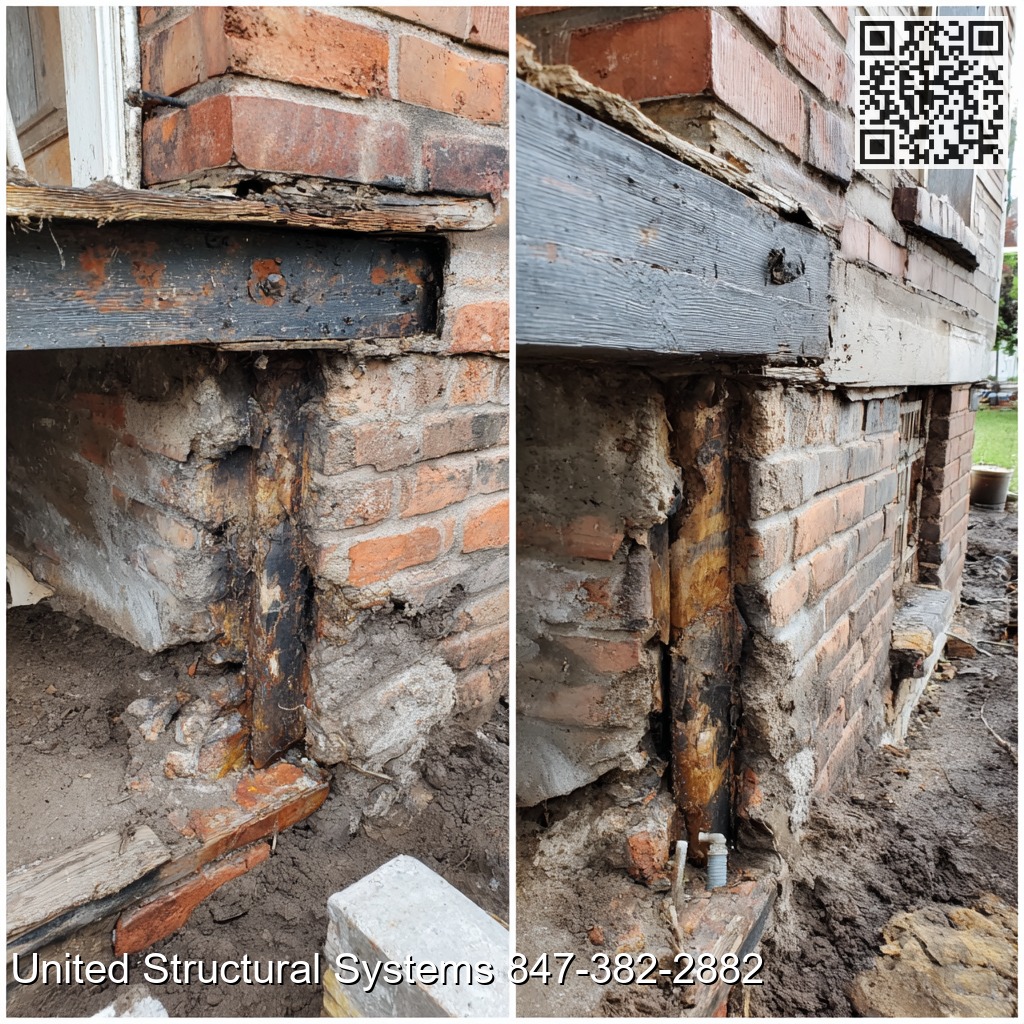
Not every sidewise hardship needs helical anchors. Some wall surfaces are going through primarily coming from upright negotiation, which calls for helical piles, protection heaps, or even micropiles. Others are actually cracked however still acting structurally, and regional foundation crack repair along with treatment and also water drainage upgrades suffices. Tiebacks gain their keep on wall surfaces that are actually battling active lateral tension from ground or water: bowing, lean on top, straight splitting at mid-height, shear at the foundation, or birth control hardship at the relationship to a floor slab.
On business web sites, signs that factor towards helical tieback anchors consist of vast straight gaps near mid-height in block walls, curvature that grows after heavy rainfall, wall structures that pitch outward at the top greater than 1 inch in 8 feets, as well as reoccuring water invasion that straightens along with motion. If a slant reading shows progressive turning and the site dirts are widespread clay-baseds or even improperly draining sands, you will typically obtain additional worth coming from tieback anchors integrated with water drainage remodelings than coming from area basement waterproofing alone.
There are actually side cases. Aged block or debris groundwork wall structures perform certainly not take factor loads effectively, and also dispersing support tons across a larger area matters much more than the anchor capacity itself. In high groundwater states, the buoyant pressures as well as water migration may make complex capacity sizes and also grouting choices. Seismic zones transform the talk very, since the wall surface needs a diaphragm that can easily transmit sidewise bunches to supports without fragile failure. These details guide the concept before a singular lead segment goes into the ground.
How helical tieback anchors work
A helical tieback anchor is a steel shaft along with several helical plates that turn in to the soil outside the wall structure at an incline, generally 15 to forty five degrees below horizontal. Ability arises from end bearing of those coil overlays in skilled soil. We put up up until we reach out to a target twist that associates to a specified axial capability, after that we latch off the support to a steel platter on the wall surface and also pretension it. Unlike deadman anchors or even soil nails, helical anchors cultivate capacity quickly without expecting concrete to cure. Unlike grouted anchors, they leave the soil mostly untroubled, which matters near existing foundations as well as utilities.
Torque correlation is actually certainly not magic. It is improved many years of field records that matches measured installment twist to capability via a pragmatic partnership. Our team still verify with evidence exams or even performance examinations, however the capacity to track capacity every transformations of the drive head is what produces commercial helical tieback anchor installation quickly as well as predictable matched up to open-hole anchors. On a good time with crystal clear accessibility, a two-person workers and a mini-excavator can easily set up and check numerous anchors before lunch on a mid-length wall.
Assessing the wall surface, dirt, and also access
Every successful commercial foundation stabilization project begins with a handful of annoying questions. What is actually the wall structure made of, and how will it behave once our company draw on it? Where are actually the utilities? How close can we receive with tools? What is the drain story responsible for this wall? Tiebacks correct lateral reliability, yet if water continues to be entraped against the wall, the proprietor will be actually phoning once again in a couple of seasons.
We begin with wall structure mapping. For block wall structures, I denote durations and also junctions, action bow or healthy with a plumb bob or even laser, and also locate splits that may handle the layout of bearing plates. For cast-in-place wall structures, I take note rebar design if as-builts are actually accessible, at that point affirm fullness in a few spots along with a concrete scanning device. Rusty associations, spalled surfaces, or previous jumble issue considering that they change how you transfer lots into the wall.
Soils drive the support length as well as the helix setup. Hand augers and also a handful of test probes will certainly acquire you oriented, however, for a business job I ask for borings or even at the very least DCP analyses along the operate. If borings are actually dated, we still operate field tests during the initial installations as well as conform lead selection appropriately. Extensive clay-based indicates we intend much deeper for secure perspectives. Loose sands require caution with caving and may take advantage of cement to secure bum rap. In filler locations, I steer clear of quiting coils in change areas, given that mixed clutter makes unstable bearing.
Access specifies the technique. In streets, our team frequently team up with a sleek excavator and an unnoticeable gas drive head, supplying 5- or even 7-foot sections. When indoor gain access to is actually needed, we utilize handheld hydraulics and much shorter cylinders, plus fume-free power sources. Cost space and slab tons may confine the angle and duration we may run. These facts should turn up in the layout loads as well as space, not as jobsite improvisation.
Choosing the correct device: helical tiebacks versus stacks and also micropiles
Structural foundation repair covers a family members of resources. Helical piles, resistance heaps, as well as micropiles are vertical or even struggling elements that carry axial tons for settlement command. Tieback anchors are actually lateral supports. Lots of office jobs need to have both: deep foundation repair for columns or level beams, as well as helical tiebacks for the basement wall. I have actually had ventures where our company stabilized the wall structure along with supports, at that point put up commercial helical pile installation underneath nearby columns that had actually cleared up because of washout. One more site needed commercial resistance pile installation since overhead cables avoided the twist head space for helicals, but our team could possibly drive steel water pipes heaps along with a tight ram. In a hospital basement, indoor micropile installation enabled us to string components by means of strict technical spaces where a twist motor would certainly not fit.
Commercial micropiles radiate where you possess high loads, obstructions, or even the need to outlet right into stone. They could be coupled with tieback anchors to develop a combination solution that takes care of each upright and also sidewise loads without huge excavations. Micropiles are slower and much more pricey per factor than helical piles, and they require grout remedy time, yet they take capacity in poor soils and also areas that locked out other procedures. The wise selection is not regarding brand name or even system, it is about matching the element to the load pathway as well as the constraints.
Design reasoning that prevents surprises
For a typical basement wall surface, the engineering starts along with side planet stress. We pick an active or even at-rest planet coefficient based upon whether the wall surface can easily relocate. In retrofit, the wall structure is frequently semi-fixed, thus at-rest tensions may be actually extra correct. Groundwater helps make a remarkable variation, incorporating hydrostatic tension that boosts with deepness, and it ought to be actually handled through drainage as high as through supports. I favor conventional tons instances if the proprietor is unwilling to money repetitive empties, considering that a support device is merely as good as the ground it bears on.
Anchor geometry matters greater than many recognize. A shallow angle decreases upright pressure components on the wall structure but stretches the anchor, which might drive you right into easements or surrounding home. A steeper angle lessens span and lowers residential or commercial property advancement, yet improves vertical lots on the wall and may call for an extra durable bearing plate or even waler. In strict midtown job, our experts usually select a steeper slant to prevent energies, at that point design a powerful interior waler to disperse lots all over several CMU webs.
Helix setup is actually certainly not uncertainty. For clays, commonly spaced coils on a square bar or even round pole along with high torque capacity aid protect against remolding and lessen disturbance. In sands, various coils with closer space can increase capacity. I as if to see the lead helix hit a heavy or tight level, with trailing layers no closer than three diameters apart. Stopping in stuffing is actually asking for in season activity to nibble at your aspect of security. When borings doubt, our experts carry additional lead configurations to the internet site and opt for based upon the first examination installations.
Finally, we plan for proof. Commercial clients are entitled to numbers, not promises. Each tieback needs to be actually proof evaluated or even, for depictive anchors, performance examined with load contain patterns that demonstrate both range and acceptable deflection. If a couple of supports underperform, our experts can easily adjust span, diameter, or helix matter and re-test. The most awful outcome is to finish an operate as well as find the proof tests perform certainly not pass considering that the aim at soil horizon was actually certainly never reached.
Step-by-step review of business helical tieback anchor installation
- Layout and also electricals: Affirm support locations, angles, and also electricals. Contact locates and gap where disputes are actually very likely. Pop lines for walers or birthing platters inside the basement. Pilot gaps and wall surface prep: Core or even pierce through the wall at the planned slope. Prep steel platters, walers, and also deterioration defense. Confirm the wall can easily take port reaction lots for tensioning. Installation as well as torque monitoring: Development the helical tieback making use of a gas travel head along with calibrated twist tracking. Record torque every depth. Incorporate expansions as required to get to aim at twist and also size in skilled soil. Proof or even performance testing: Fasten port and also bunch mobile to the support rod. Bunch in increases to the proof lots, conduct, and measure creep. Readjust anchors as essential and also paper outcomes. Pretension anchors to create load. Connection and also coating: Install birthing layers and also almonds, then tie into an ongoing waler if pointed out. Tape penetrations, repair coatings, and also execute drainage remodelings outside the wall.
Those 5 steps look basic abstractly. In the cellar, you are actually harmonizing access, debris management, and also crew protection while maintaining lessees moving. Good teams delegate a single person to torque logs and also safety, as well as one more to the ride head. That department pays for itself.
Coupling anchors to the wall surface without developing brand new problems
The hookup is actually where bad installations reveal on their own. On CMU, a small platter over a single web welcomes squashing. A constant steel waler spreads lots over several internet and also dampens stress concentrations. On put concrete, platters may be smaller, but embedment and also distance to sides have to be checked out, specifically when our company bore near rebar. If you observe hairline gaps transmitting from a fresh tensioned platter, quit and reassess the plate measurements as well as torque.
Pretensioning is actually not almost the variety on the gauge. You want to draw the wall structure into exposure helical pile foundations to the waler, resolve any slack in the unit, and also confirm that the wall structure stores the pretension without measurable creep over a grip time period. On aged walls, I prefer to helical pile foundation techniques slip atop pretension in two or 3 elapseds rather than one hard pull. You may feel and also listen to the wall undertake, and you stay away from stunning fragile materials.
Corrosion security should have budget. Commercial helical tieback anchor installation ought to include a minimum of a double obstacle in hostile dirts: hot-dip galvanizing plus a corrosion-inhibiting cement or sleeve, or even at minimum galvanizing with sealed off wall structure sleeves and indoor defense. For public properties with lengthy life span, I move to summarized bodies or even duplex finishings. At connections, our company apply segregating washers where distinct steels meet.
Drainage, waterproofing, as well as lowering the lots on anchors
Anchors stabilize a wall surface versus lateral action, however they can not take care of water that possesses no place to go. On industrial work that make it possible for outdoor work, our experts partner tieback anchors with footing drains pipes, a shielded water-proofing membrane, and tidy backfill that actually empties. Inside only projects get perimeter drains pipes as well as sump ability sized for storms, certainly not wishful thinking. If a wall structure has actually accepted considering that a downspout unloaded water right into clay-based backfill for a years, the least expensive ability you will ever get is actually a suitable downspout expansion and grading.
I have observed proprietors invest actual funds on deep foundation repair while dismissing a damaged surface drainpipe upstream. Two years later on, the wall structure is still steady, however the inside still scents wet as well as the finishes peel. The anchors get pointed the finger at, and also we all end up revealing that structural ability and moisture control are actually various issues that engage. Integrate all of them as well as the structure executes better for less.
Proof screening, records, and also what owners must expect
Tieback anchors permit you to verify capability on internet site. An effective verification examination pattern includes packing the support to a series of raising contains, commonly around 120 to 150 percent of design bunch for evidence examinations and higher for performance examinations, after that unloading to examine elastic rehabilitation. The dimensions must reveal very little creep all over hold time frames and a predictable dump pipe. If a couple of supports sneak much more than expected, we prolong and re-test. Good logs include twist per foot, setup slant, complete duration, exam lots, and displacements.
Owners should expect a tidy plan: rubber-stamped style illustrations, installation logs, examination data, and as-built sites. If the task likewise includes commercial foundation stabilization with helical piles or micropiles, keep the documents collaborated so you may outline bunch pathways later. Years down the road, when a brand-new centers supervisor opens up the report, they ought to be able to observe what was actually carried out and why in a couple of pages.
When helical tiebacks comply with various other systems
No office site is actually easy. A storage facility wall surface may be actually maintained along with helical tieback anchors while indoor column series obtain commercial helical pile installation to address resolution from overloaded pieces. A medical center may incorporate tieback anchors with micropiles under a keeping wall structure ground that was actually weakened through a company trough. In dense midtown lots, commercial resistance pile installation can easily shore a grade shaft under minimal clearance, while tiebacks deal with the neighboring wall structure. These mixes are certainly not additionals, they are actually exactly how you develop a comprehensive load path.
Micropiles, especially, pair well when you need both upright as well as sidewise resistance. A classic scenario: a semi-basement garage along with a back wall structure pushing in as well as an overhanging transmission beam of light that has worked out. Tieback anchors maintain the wall structure. Micropiles lug the beam reactions given that rock is actually within 15 to 25 feets and obstacles make helical piles inept. With coordinated staging, you may complete each extents along with very little disruption.
Safety and sequencing in limited business spaces
Basements are cramped, and also business routines squeeze. A couple of habits always keep teams reliable and secure. Air flow comes first if you are actually coring and also cutting. Our experts set up dirt management for primary boring with stonework and also concrete, as well as our team protect exercise stands along with anchors that will not conflict with tieback sites. Every penetration acquires a sleeve to secure the pole from chafing and to maintain water and fuels coming from shifting in to the building.
Sequencing saves everyone problems. I choose to map out and center a number of holes before the travel scalp arrives. We set up anchors in a checkerboard pattern so our team can easily observe wall surface reaction and also adjust pretension without overwhelming a single area. If the style requires a continuous waler, our company stage and pre-fit it prior to supports are actually totally tensioned. For occupants in location, our experts plan raucous job in the course of acknowledged windows and maintain sidewalks very clear. The cleanest workers gain loyal work due to the fact that home supervisors remember who appreciated their space.
Cost chauffeurs and practical timelines
For a normal commercial cellar wall surface, helical tieback anchor costs range with gain access to, dirt shapes, and testing demands. Centered supports by means of tight clays set you back much more than short supports right into dense sands. Interior-only installments function greater because of coring, dust control, and minimal devices. Expect product choices like driven versus epoxy-coated or even encapsulated units to switch expenses through obvious amounts, as well as they are worth reviewing relative to the building's predicted company life.
Timelines are actually typically shorter than owners anticipate. A 100-foot wall surface along with supports at 5- to 7-foot space may take 3 to five functioning days with a seasoned crew, consisting of screening and waler installment. Add time if you are actually combining the team up with exterior drainage enhancements or if exclusive evaluations are demanded for each anchor. If the job consists of commercial foundation repair under pillars or slabs along with helical piles or micropiles, strategy setting up so the exact same get access to setup serves both scopes before you demobilize.
Repairing fractures as well as ending up the space
After the wall structure is actually stabilized, our team circle back to foundation crack repair. Epoxy shot satisfies building fractures that need to reborn connection, while polyurethane treatment tapes active leakages without including stiffness. On CMU, we typically strengthen with thread strips throughout restored splits just before setting up a waler, or even our experts rely upon the waler to disperse load if the block internet are sound. It is appealing to layer whatever as well as contact it done, but coverings conceal ideas. Record the pre-repair condition and take final sizes after pretensioning so you can easily detect improvements months later.
Interior finishes are worthy of as a lot care as the anchors. Sleeves around anchor poles should be secured. If a mechanical area was actually involved, coordinate along with servicing to bring back protection or pipe assists. Little contacts like paint plates to match adjacent surface areas and safeguarding against deterioration at the nuts create the setup believe comprehensive as opposed to industrial.
Common difficulties and exactly how to steer clear of them
Most troubles I encounter sign back to expectations. Professionals suppose the ground will certainly act like the boring coming from a various corner of the site. Developers think gain access to exists that the building certainly never had. Owners think supports equal basement waterproofing. Steering clear of these traps is actually direct: validate the dirt during the course of the 1st supports, simulated up accessibility prior to propelling, and also create a genuine drainage plan.
Another persisting issue is underestimating the wall link. I have actually evaluated projects where anchors were great, but little plates smashed block cells with time, causing renewed motion. A well-detailed waler is certainly not a deluxe, it is actually economical insurance coverage. In corrosive atmospheres, bare steel plates on moist basement wall surfaces will certainly not grow older beautifully. Oxidation security administered regularly, including at cut conclusions as well as threads, acquires decades.
Lastly, pass up the urge to over-concentrate anchors where splits appear worst. Walls behave as devices. Jagged allegation generates stress risers as well as new gaps. Even spacing with a handful of incorporated supports at crucial points supports the whole door more dependably than a cluster of higher loads in one bay.
A functional checklist for managers and also establishment managers
- Ask for torque logs and examination reports for every mounted tieback, certainly not just a summary. Confirm how the support tons are actually distributed on the wall, particularly for CMU. Search for a constant waler or even plates sized to spread out load. Review the water drainage planning alongside the tieback style. Make sure downspouts, certifying, as well as footing drains are actually addressed. Clarify rust protection particulars: galvanizing, encapsulation, sleeves, coverings at connections. Schedule a follow-up study. Simple dimensions at taken care of points after seasonal improvements assure lasting stability.
Where helical tiebacks fit in the wider structure toolbox
Commercial groundwork stablizing is actually certainly not a one-trick trade. Helical anchors handle side weights along with urgent ability and low vibration. Helical piles and protection piles deal with resolution under pillars and quality beams. Micropiles take control of where accessibility is precarious or rock and higher bunches control grouted options. The venture that ends well is the one that mixes these factors thoughtfully, based upon lots roads, ground actions, as well as access, rather than company loyalty or habit.
If your cellar wall has moved, a candid evaluation that takes into consideration tieback anchors along with water drainage and also, if needed, deep foundation repair will definitely shorten your path to stability. A stable wall structure is silent. The string line hangs straight, the dial scale readings flatten out, as well as the following rain is actually just weather, not a trouble to support for. That is the objective of commercial helical tieback anchor installation: expected, testable stabilization that takes on opportunity, water, and use.
 Ask ChatGPT
 Ask Grok
 Ask Perplexity
 Ask Claude
 Ask Google AI
 Ask You